
Search
-
Focusing on Imperial Japan
EssayExperienced teachers know the opening minutes of a class set the tone, both intellectual and atmospheric, for the remainder of the lesson. Scholars well know that the opening lines of a monograph shape how many readers will understand the remainder of the work.
-

Imperial Democracy and Colonial Expansion, 1890-1945
UnitIn five activity and primary source-intensive lessons that address the major social and political shifts of the period from 1890 to 1945, the authors emphasize that these shifts were interdependent forces that operated on both international and national levels.
-

Russo-Japanese War 30th Anniversary Postcard
ResourceA postcard commemorating the 30th anniversary of the Russo-Japanese War (1904-1905).
-
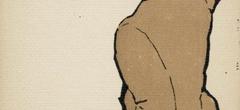
Russo-Japanese War Postcard Rising Sun
ResourceA postcard featuring a soldier facing the rising sun during the Russo-Japanese War.
-
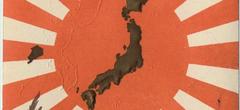
Russo-Japanese War Postcard Map
ResourceRusso-Japanese War postcard.
-

Russo-Japanese War Postcard Commemorative Lanterns
ResourceRusso-Japanese War postcard
-
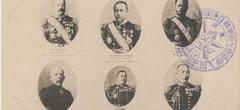
Russo-Japanese War Postcard Naval
ResourceRusso-Japanese War postcard.
-
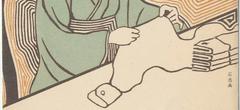
Russo-Japanese War Postcard Gifts to Soldiers
ResourceRusso-Japanese War postcard.
-
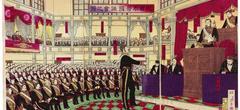
Woodblock Print of Japanese Imperial Diet
Resource -
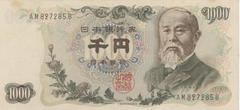
Heroes and Constitutions, Imperial Japan in the Elementary Classroom
UnitAll modern nations struggle with issues of the balance between rights and responsibilities of citizens, formation of national identity, and use of national symbols. These lessons, using source documents and methods designed for the elementary student, use Japan to examine fundamental issues of rights and identity common to most young nations.
Displaying 1—10 of 443
